

Table of Contents
Table of Contents
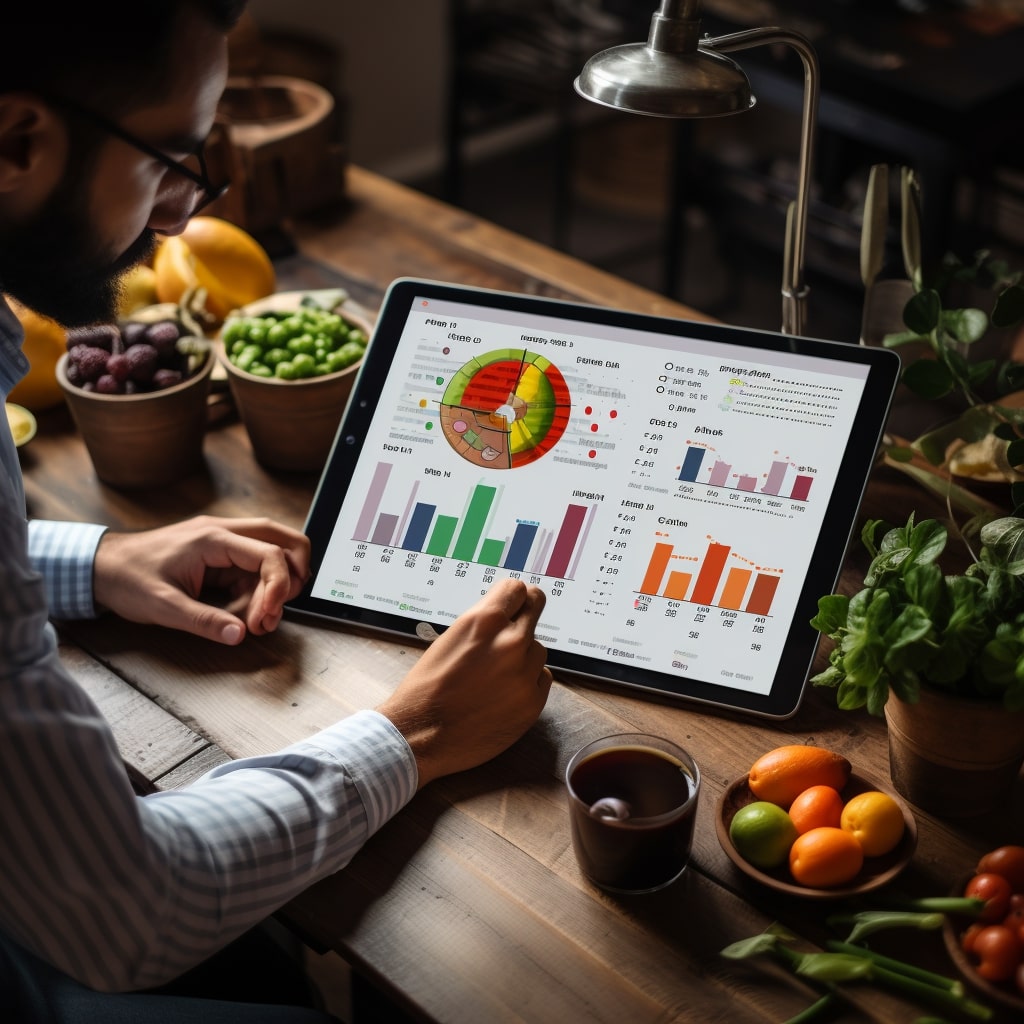
The dynamic nature of the restaurant industry makes restaurant performance metrics reporting more crucial than ever. Embracing this approach not only helps in navigating challenges but also in seizing opportunities for growth and innovation. By effectively utilizing restaurant metrics reporting, establishments can streamline operations, enhance customer satisfaction, and drive profitability.
What are restaurant metrics?
Restaurant metrics are diverse and vital indicators that provide insights into various operational aspects. They encompass everything from financial data like sales and costs to operational details like table turnover rates and customer satisfaction scores. Understanding and monitoring these metrics is crucial for any restaurant aiming to improve its service, efficiency, and overall profitability.
What is metrics reporting?
Metrics reporting in the restaurant industry involves a comprehensive process of collecting, analyzing, and interpreting data related to restaurant operations. This practice enables restaurant managers and owners to make informed decisions based on factual data, leading to more strategic planning, efficient operations, and improved customer service.
Why should restaurants report on metrics?
Effective metrics reporting is pivotal for optimizing restaurant operations and enhancing customer experiences. Here’s a detailed look at why it’s indispensable:
- Informed decision-making: Utilizing concrete data reduces guesswork, allowing for smarter, evidence-based decisions that can significantly impact a restaurant’s success.
- Performance tracking: This involves monitoring key indicators against goals and benchmarks, helping restaurants stay on track towards their objectives and adjust strategies as needed.
- Customer insights: Gaining a deeper understanding of customer preferences and behavior helps tailor services, menus, and marketing efforts, leading to increased customer satisfaction and loyalty.
- Operational efficiency: Identifying operational bottlenecks and inefficiencies paves the way for smoother, more efficient restaurant operations, reducing costs and improving service.
- Financial oversight: Keeping a close watch on financial metrics like revenue, costs, and profitability ensures better financial health and informed fiscal decision-making.
- Marketing effectiveness: Evaluating the success of marketing initiatives through metrics allows for more effective, targeted marketing strategies that resonate with the desired audience.
- Employee performance: Monitoring staff efficiency and identifying areas for improvement helps in managing teams more effectively, ensuring better service and productivity.
- Menu optimization: Analyzing customer preferences and sales data aids in making data-driven decisions about menu changes, leading to increased sales and customer satisfaction.
- Trend analysis: Keeping abreast of industry trends through continuous analysis of relevant data helps restaurants stay competitive and adaptable.
- Risk management: Early identification and mitigation of potential risks protect the restaurant from potential losses and disruptions.
Who uses restaurant metrics?
Restaurant metrics are integral tools for a variety of roles within the management structure, each using the data in unique ways:
- Owners: Owners use metrics for high-level strategic planning and to monitor the overall health and direction of the business.
- Managers: They rely on metrics to oversee day-to-day operations, manage staff performance, and ensure customer satisfaction.
- Chefs: Chefs use these insights for menu planning, inventory management, and understanding customer preferences regarding food choices.
- Marketing teams: These professionals leverage metrics to craft effective, data-driven marketing strategies that resonate with the target audience.
- Financial personnel: They utilize metrics for accurate budgeting, financial forecasting, and ensuring the financial stability of the restaurant.
- Service staff: Insights from metrics help service staff in enhancing customer service and improving the overall dining experience.
Supply chain managers: They use data to optimize inventory levels, manage supplier relationships, and reduce shrinkage and wastage, ensuring a smooth supply chain.
Benefits of restaurant metrics reporting
Metrics reporting in restaurants brings a multitude of benefits, transforming various aspects of restaurant management.
Here are 10 benefits of restaurant metrics reporting:
- Improved decision-making
- Enhanced customer satisfaction
- Increased profit margins
- Optimized menu management
- Efficient staff management
- Better inventory control
- Effective marketing strategies
- Comprehensive financial analysis
- Stronger supplier relationships
- Proactive risk management
Improved decision-making
Improved decision-making emerges as a prime benefit of restaurant metrics reporting. By providing restaurant owners and managers with data-driven insights, it enables them to make choices that are informed, strategic, and aligned with their business goals. This approach reduces guesswork, leading to more effective decision-making processes that can positively impact the restaurant’s overall success.
Enhanced customer satisfaction
Enhanced customer satisfaction is a direct result of effective metrics reporting. By understanding customer preferences and behaviors through data, restaurants can tailor their services, menu items, and overall dining experience to meet customer expectations. This focus on customer-centric strategies leads to higher satisfaction levels, repeat patronage, and positive word-of-mouth.
Increased profit margins
Increased profit margins are a significant outcome of utilizing restaurant metrics effectively. By identifying the most profitable menu items, optimizing resource allocation, and streamlining operations, restaurants can significantly reduce costs. These efficiencies, coupled with targeted strategies to increase sales, contribute to healthier bottom lines and increased profitability.
Optimized menu management
Optimized menu management is achievable through detailed metrics analysis. Data on customer preferences and sales trends inform menu decisions, helping restaurants focus on popular and profitable items. This approach not only enhances customer satisfaction but also contributes to reduced waste and increased sales.
Efficient staff management
Efficient staff management is facilitated by metrics reporting, which provides insights into staff performance and operational efficiency. This information helps in identifying training needs, allocating staff appropriately, and improving service quality. Consequently, restaurants can maintain high levels of productivity and customer service, essential for business success.
Better inventory control
Better inventory control is a critical advantage of restaurant metrics reporting. By tracking inventory levels, consumption patterns, and waste, restaurants can optimize their stock, reduce spoilage, and lower costs. This efficient management of resources ensures that the restaurant can meet customer demand without unnecessary expenditure.
Understanding customer traffic
Effective marketing strategies are driven by insights gained from restaurant metrics. Understanding customer demographics, preferences, and behavior patterns enables restaurants to create targeted marketing campaigns. These data-driven strategies are more likely to resonate with the intended audience, leading to increased engagement and revenue.
Comprehensive financial analysis
Comprehensive financial analysis is a cornerstone of restaurant metrics reporting. This analysis offers a detailed view of the restaurant’s financial health, encompassing revenue, expenses, and profitability. Armed with this information, restaurant owners and managers can make informed financial decisions, plan for future growth, and ensure financial stability.
Stronger supplier relationships
Stronger supplier relationships are fostered through the strategic use of restaurant metrics. By analyzing purchasing patterns and inventory turnover, restaurants can negotiate better terms, ensure timely deliveries, and reduce costs. This data-driven approach to supplier management leads to more efficient operations and mutually beneficial partnerships.
Proactive risk management
Proactive risk management is greatly enhanced by the insights provided through restaurant metrics reporting. By identifying potential issues in areas like customer satisfaction, financial performance, or operational efficiency, restaurants can take preemptive actions to mitigate risks. This proactive stance helps in maintaining a stable and thriving business environment.
How Solink's cloud video security improves restaurant metrics reporting
Solink’s innovative approach, integrating cloud video security with point-of-sale (POS) data, revolutionizes restaurant metrics reporting. This technology eliminates the need for a text inserter, seamlessly pairing transaction data with video footage, offering a multitude of benefits:
- Seamless integration: Provides a cohesive view by linking transaction data with corresponding video footage, enhancing the accuracy and context of the data.
- Fraud detection: The ability to quickly identify discrepancies between transactions and video footage aids in preventing losses due to fraud or errors.
- Operational insights: Gaining visual context to transaction data offers a deeper understanding of operational efficiency and customer interactions.
- Customer behavior analysis: Observing customer behavior through video enhances the ability to tailor services and improve the dining experience.
- Staff training and management: Video footage from restaurant security cameras serves as a valuable tool for staff training, helping to improve service quality and efficiency.
Solink helps get new insights from restaurant metrics reporting
Solink’s cloud video security technology offers a groundbreaking way to enhance restaurant metrics reporting. By automatically pairing video with POS data without the need for a text inserter, Solink provides richer insights, paving the way for improved business decisions and heightened customer satisfaction.
To see how Solink can help you get more out of restaurant metrics reporting, sign up for a demo today.