
INSIGHTS

Inventory shrinkage: What it is, what causes it, and how to prevent it in 2026

June 18, 2026

Table of Contents

Executive summary

Inventory shrinkage is one of the most frustrating challenges business leaders face because it directly affects profitability while often being difficult to explain. Knowing inventory is missing is only the first step; understanding why it disappeared is what makes prevention possible.

This guide explores the biggest causes of inventory shrinkage in 2026, how to calculate it, and the most effective prevention strategies available today.

Key takeaways
  • Inventory shrinkage is more than theft; operational failures often contribute significantly
  • Organized retail crime and employee theft remain major drivers of shrink
  • Inventory systems tell you what is missing, but not why it disappeared
  • AI helps businesses identify patterns, accelerate investigations, and reduce repeat losses
  • Solink connects video, POS transactions, alarms, and operational data to uncover the root causes of shrinkage
Inventory shrinkage is one of the few business problems that quietly impacts almost every part of your operation. It affects profitability. It affects forecasting. It affects replenishment decisions. It creates stockouts, frustrates employees, and ultimately impacts customer experience.

The challenge is that most businesses don’t discover the true extent of shrinkage until an inventory count reveals products that should be there, but aren’t.

And the numbers are significant. According to the National Retail Federation’s National Retail Security Survey, retail shrink reached 1.6% of sales in FY 2022, representing approximately $112.1 billion in losses when applied to total US retail sales.

At the same time, organized retail crime continues to escalate. NRF’s The Impact of Retail Theft & Violence 2024 report found retailers experienced a 93% increase in average shoplifting incidents in 2023 compared to 2019, along with a 90% increase in dollar loss due to shoplifting during the same period.

But theft is only one part of the story. Inventory shrinkage often begins long before products leave the building. Receiving mistakes, vendor discrepancies, administrative errors, employee theft, process drift, and operational blind spots can all quietly contribute to inventory loss.

That’s why inventory shrinkage is no longer just an inventory problem. It’s a visibility problem, a process problem, and, most importantly for you, a loss prevention problem.

The businesses that most effectively reduce shrink aren’t necessarily the ones counting inventory more often. They’re the ones building visibility into the behaviors causing inventory to disappear in the first place.

For organizations struggling with theft-related losses, our guides on organized retail theft and retail theft prevention provide additional strategies for reducing shrink.
Reduce inventory shrinkage with Solink
Discover how Solink helps businesses identify and prevent inventory losses.

What is inventory shrinkage?

Inventory shrinkage occurs when recorded inventory levels exceed the amount of physical inventory actually available.

In simple terms:
Your system says you have 1,000 units.
Your inventory count shows 950 units.
The missing 50 units represent inventory shrinkage.
This shrinkage can result from:

  • Employee theft
  • Organized retail crime
  • Receiving errors
  • Vendor fraud
  • Administrative mistakes
  • Product damage
  • Spoilage
  • Process failures

How to calculate inventory shrinkage

The standard inventory shrinkage formula is:

(Book Inventory – Physical Inventory) ÷ Book Inventory × 100

For example:

  • Book inventory: $100,000
  • Physical inventory: $95,000

Inventory shrinkage:

($100,000 – $95,000) ÷ $100,000 × 100 = 5%

The calculation is simple. Finding the cause is where most businesses struggle.

Why inventory shrinkage matters

Many leaders think about shrinkage only as lost product. The reality is much bigger. When inventory data becomes inaccurate, businesses begin making decisions based on incorrect information.

This can lead to:

  • Stockouts
  • Over-ordering
  • Poor forecasting
  • Excess labor spent reconciling inventory
  • Lost sales opportunities
  • Customer dissatisfaction

Inventory shrinkage doesn’t just impact what disappeared. It affects every decision that follows.
Take control of inventory losses with Solink
Learn how Solink helps prevent shrinkage with real-time visibility and insights.

The 7 biggest causes of inventory shrinkage

Cause #1: Employee theft

Employee theft remains one of the largest contributors to inventory shrinkage. Examples include:

  • Product theft
  • Sweethearting
  • Unauthorized discounts
  • Fraudulent refunds
  • Cash theft tied to inventory manipulation

The challenge is that these activities often blend into normal daily operations. A few suspicious refunds. A handful of missing items. Several unexplained discounts. Individually they seem minor. Collectively they create meaningful profit loss.

This is where modern retail loss prevention software becomes valuable. Connecting transactions directly to video evidence allows businesses to identify patterns before they become systemic.

Cause #2: Organized retail crime

Organized retail crime (ORC) is fundamentally different from opportunistic shoplifting. ORC groups operate strategically. They target specific products, exploit operational weaknesses, and often repeat successful tactics across multiple stores.

Common ORC methods include:

  • Pushouts
  • Grab-and-runs
  • Refund fraud
  • Concealment crews
  • Internal collusion

The reason ORC drives so much shrink is because it scales. Once a tactic works, it gets repeated.

Learn more about today’s most common organized retail theft tactics and how retailers are fighting back.

Organizations looking to strengthen defenses should also review common retail theft prevention strategies that help identify repeat patterns earlier.

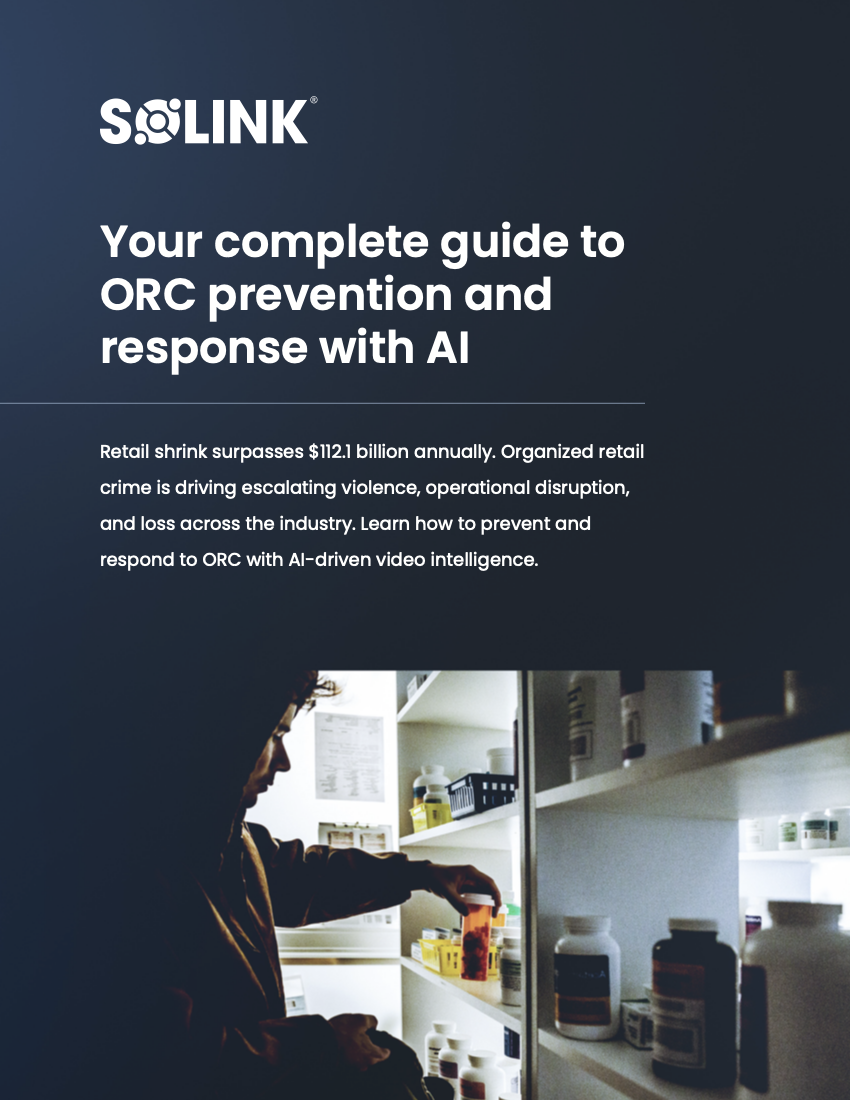
Your complete guide to ORC prevention and response with AI

A person wearing a hoodie and gloves opens a cabinet with various bottles inside, representing organized retail crime in a pharmacy setting.
Retail shrink surpasses $112.1 billion annually. Organized retail crime is driving escalating violence, operational disruption, and loss across the industry. Learn how to prevent and respond to ORC with AI-driven video intelligence.

ORC is a growing financial threat to retailers, with US retail shrink reaching $112.1 billion annually, and 90% of retailers reporting ORC has increased over the past year, according to the National Retail Federation (NRF).

See why the vast majority of retailers are struggling to successfully prevent and respond to ORC, and why AI-driven video intelligence is the solution, by filling out the form.

Cause #3: Receiving and supply chain errors

Not all inventory loss happens on the sales floor. Many businesses experience shrinkage because inventory never arrives correctly in the first place. Examples include:

  • Short shipments
  • Delivery discrepancies
  • Receiving fraud
  • Incorrect counts
  • Vendor mistakes

Without proper accountability, discrepancies often remain hidden until inventory audits reveal missing product weeks or months later.

Video verification of receiving activity helps reduce disputes and improve accountability.

Cause #4: Administrative errors

Administrative mistakes remain one of the most common causes of inventory shrinkage. Examples include:

  • Incorrect SKU assignments
  • Inventory count errors
  • Duplicate entries
  • Improper adjustments
  • Data entry mistakes

Unlike theft, these losses are usually accidental. Unfortunately, the financial impact is often the same.

Cause #5: Vendor fraud

Inventory shrinkage can also originate outside your organization. Examples include:

  • Quantity manipulation
  • Product substitution
  • Billing discrepancies
  • Fraudulent deliveries

These losses are often difficult to identify because they appear as inventory variance rather than obvious theft. Businesses that document receiving activity consistently are significantly better positioned to identify these issues quickly.

Cause #6: Process drift

One of the most overlooked causes of inventory shrinkage is process drift. A process begins with clear standards:

  • Secure storage
  • Receiving procedures
  • Inventory handling rules
  • Access controls

Over time, shortcuts emerge. Doors remain open. Procedures become inconsistent. Standards vary by shift. That drift creates opportunities for shrinkage long before theft occurs.

Businesses that reduce shrink effectively combine operational audits with retail video analytics to identify recurring breakdowns before they become costly.

Cause #7: Damage and spoilage

Some inventory shrinkage occurs because products become unsellable. Common causes include:

  • Product expiration
  • Improper storage
  • Shipping damage
  • Handling mistakes
  • Environmental conditions

For grocery, food service, and distribution businesses, spoilage can represent a significant portion of overall shrink.
Protect your profits from inventory shrinkage
Explore how Solink helps businesses reduce loss and improve inventory accuracy.

Warning signs your business has an inventory shrinkage problem

Most businesses identify shrinkage only after inventory counts. The warning signs usually appear much earlier. Watch for:

  • Inventory counts that rarely match
  • Excessive write-offs
  • Frequent stockouts
  • Unusual refund activity
  • Missing high-value items
  • Store-to-store inventory variance
  • Rising inventory adjustments

Many of these warning signs first appear as operational anomalies. Businesses using AI in retail analytics can often identify patterns long before losses become significant.

How AI helps reduce inventory shrinkage

Traditional inventory systems are good at showing you that inventory is missing. Modern AI retail security solutions help explain why. This is where AI-driven video intelligence becomes valuable.

Instead of relying solely on counts and spreadsheets, businesses can connect inventory events to operational activity, transactions, and visual evidence.

Exception-based investigations

Rather than reviewing footage manually, investigators can start with high-risk events such as:

  • Suspicious refunds
  • Excessive voids
  • No-sale transactions
  • Inventory discrepancies

This makes investigations significantly faster and more consistent.

Receiving verification

AI-powered video intelligence helps validate:

  • Shipment arrivals
  • Receiving procedures
  • Delivery accuracy

Reducing disputes and improving accountability.

ORC pattern detection

This is particularly valuable for businesses dealing with organized retail theft. Instead of reviewing incidents individually, AI helps identify:

  • Repeat tactics
  • Repeat products
  • Repeat locations
  • Repeat timing patterns

Employee theft investigations

AI becomes especially valuable when it links POS activity directly to video. Just as retail video analytics helps identify operational inefficiencies, it also helps investigators validate suspicious inventory-related behavior quickly.

Operational audits

AI helps identify where procedures are consistently drifting before losses become significant.

Inventory shrinkage prevention checklist

The most effective shrink reduction programs combine process, accountability, and technology.

Focus on:

  • Frequent cycle counts
  • Strong receiving procedures
  • Inventory area access controls
  • Employee training
  • Exception-based transaction monitoring
  • Operational audits
  • ORC awareness programs
  • Video verification
  • Multi-location benchmarking

Reducing shrink is rarely the result of a single initiative. It comes from consistent visibility and continuous improvement.

How Solink helps reduce inventory shrinkage

Most businesses already have the information they need to reduce shrink. The challenge is that information lives in different systems:

  • Inventory software shows the discrepancy
  • POS systems show the transaction
  • Video shows what happened
  • Access control shows who entered the area

Without a unified view, investigations become slow and inconsistent. As an AI-driven platform for retail video analytics and AI retail security solutions, Solink provides the context businesses need to understand why shrinkage is happening – not just that it happened.

Solink helps connect:

  • Video
  • POS transactions
  • Alarms
  • Access control
  • Operational workflows

This allows teams to:

  • Investigate shrinkage faster
  • Verify receiving activity
  • Identify employee theft patterns
  • Detect ORC trends earlier
  • Improve accountability
  • Reduce repeat loss

Whether shrink is driven by employee theft, receiving issues, self-checkout theft, or organized retail crime, connected video intelligence helps teams identify root causes faster and take action sooner.
Prevent inventory shrinkage with Solink AI
Find out how Solink turns video data into actionable loss prevention insights.

FAQ: Inventory shrinkage in 2026

What is inventory shrinkage?
Inventory shrinkage occurs when recorded inventory exceeds actual inventory on hand due to theft, errors, damage, spoilage, or operational failures.
The most common causes include employee theft, organized retail crime, receiving errors, vendor fraud, administrative mistakes, process drift, and spoilage.
Inventory shrinkage is calculated using:
(Book Inventory − Physical Inventory) ÷ Book Inventory × 100
No. Many shrinkage issues originate from operational failures, administrative errors, spoilage, and receiving discrepancies.
According to NRF, average retail shrink reached 1.6% of sales in FY 2022.
AI helps identify patterns, accelerate investigations, verify operational activity, and connect inventory discrepancies to their underlying causes.
Video intelligence provides visual context around transactions, deliveries, inventory handling, and operational procedures, helping teams determine what happened and why.
Solink connects video, POS, alarms, access control, and operational data into a unified platform that helps businesses investigate inventory loss faster and prevent repeat shrinkage.